
Best Snorkeling Spots Near Los Angeles
PIC CREDIT @LIFEHACKSLA
Updated September 2026
While Los Angeles is famous for its sandy beaches, entertainment, and iconic landmarks, some of Southern California’s most captivating scenery lies beneath the surface.
From rocky reefs along the Malibu and Palos Verdes coastlines to the giant kelp forests surrounding Catalina Island, the waters near LA offer surprising opportunities for underwater exploration.
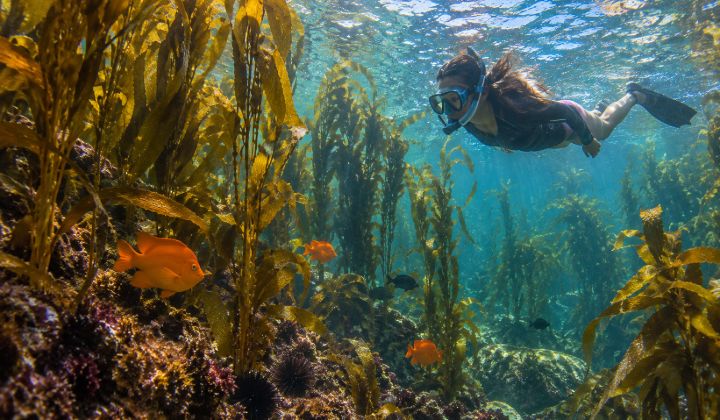
Pacific waters in Southern California are cool year-round, and visibility varies depending on swells, wind, and tides. On a calm day, however, snorkelers can discover kelp forests, bright orange Garibaldi, rays, and harbor seals just minutes from the urban bustle.
Channel Islands National Park
For an immersive, full-day adventure, Channel Islands National Park offers world-class snorkeling. Five of the eight Channel Islands make up the national park: Santa Cruz, Anacapa, Santa Rosa, Santa Barbara, and San Miguel.
The surrounding waters feature protected marine reserves with dense kelp canopy, underwater caves, and an abundance of marine life.
- Scorpion Anchorage (Santa Cruz Island): The easiest and most popular snorkeling destination in the park. The calm, clear waters of the bay allow easy entry from Scorpion Beach to explore kelp beds near the pier and eastern cliffs. Guided excursions and gear rentals are available on-site through the park’s official concessioner.
- Landing Cove (Anacapa Island): A popular spot for experienced snorkelers featuring dramatic drop-offs, clear water, and high fish density within a fully protected marine reserve.
Getting There: Daily ferries operate primarily out of Ventura Harbor via Island Packers Cruises. Because water temperatures range from 55°F to 70°F and no lifeguards are on-duty, a 3mm to 5mm wetsuit is strongly recommended.
Note: Dock access at Santa Barbara Island is currently restricted due to past storm damage, so check the National Park Service website for current island access schedules.
Point Dume State Beach in Malibu
Malibu’s dramatic headlands provide scenic views above water and rich marine habitats below. Point Dume State Beach features rocky coves, tide pools, and protected kelp beds that attract a wide variety of marine species.
Snorkelers exploring around the rocky points can spot California’s state marine fish, the bright orange Garibaldi, alongside rockfish, calico bass, sea urchins, and bat rays. Pods of dolphins, sea lions, and harbor seals frequent this stretch of coast.
Conditions & Access: Point Dume is exposed to open ocean swells, making conditions variable. Beginners should stick to protected pockets like Pirate’s Cove on calm days. Always check wave forecasts and local park conditions before entering the water.
Diver’s Cove and Shaw’s Cove in Laguna Beach
Located south of LA in Orange County, Laguna Beach boasts a citywide network of Marine Protected Areas (MPAs) that keep its underwater habitats thriving.
- Diver’s Cove: Positioned just north of Main Beach, this compact cove offers an intimate setting shielded from large ocean swells. Shallow rocky reefs house opaleye, sea stars, colorful nudibranchs, and occasional octopuses.
- Shaw’s Cove: Located adjacent to Diver’s Cove, Shaw’s Cove is one of Southern California’s premier shore-entry diving and snorkeling spots, renowned for its extensive kelp beds and underwater rock structures.
Best Time to Go: Early mornings on weekdays provide the best water clarity and easier parking before onshore winds pick up in the afternoon.
Santa Catalina Island
A short boat ride across the channel leads to Catalina Island, known for exceptional water visibility and concentrated sea life.
- Lover’s Cove Marine Conservation Area: Located a short walk from Avalon, this shallow, protected bay is one of the most accessible snorkel spots in Southern California. Schooling fish swim within feet of the shore, making it ideal for beginners.
- Casino Point Dive Park: Situated next to the historic Catalina Casino, this dedicated underwater park features kelp forests, sunken wrecks, giant sea bass, and playful harbor seals.
- Two Harbors: Located at the island’s quieter west end, Two Harbors offers a remote, serene atmosphere with gear rentals and guided tours available through the local dive center.
Getting There: Passenger ferries operate daily to Avalon and Two Harbors via Catalina Express (departing from Long Beach, San Pedro, and Dana Point) and the Catalina Flyer (departing from Newport Beach). Full equipment and wetsuit rentals are available near the piers in both Avalon and Two Harbors.
Terranea Cove and the Palos Verdes Coast
The Palos Verdes Peninsula features dramatic underwater drop-offs, sea caves, and rocky reefs.
At Terranea Cove in Rancho Palos Verdes, visitors can access sheltered waters beneath coastal cliffs. Local outfitters and the resort’s adventure center offer guided ocean kayak and snorkel tours out of the cove. During warm summer and early autumn months, harmless leopard sharks frequently congregate in the shallow kelp beds near shore.
Local Access Advisory: While the offshore waters of the nearby Abalone Cove State Marine Conservation Area remain protected, all land-based beach access trails at Abalone Cove Reserve are currently closed due to active coastal landslide movement. Snorkelers should plan to enter the water at accessible locations like Terranea Cove or Malaga Cove instead.
Crystal Cove State Park
Extending over three miles of protected coastline between Corona del Mar and Laguna Beach, Crystal Cove State Park is an excellent day-trip destination.
Offshore waters within the state marine conservation area feature rocky reefs, tide pools, and extensive underwater kelp habitats. The beach access points make it easy to pair snorkeling with hiking, tide pooling, or a full day at the shore.
Essential Tips for Snorkeling Near LA
- Gear Up for Cold Water: Pacific water temperatures hover between 55°F in winter/spring and 68°F in late summer. Wearing a wetsuit extends your comfortable time in the water significantly.
- Respect Marine Protected Areas (MPAs): Most top spots listed sit within protected marine zones. Collecting shells, disturbing marine life, or removing plant life is strictly prohibited.
- Safety First: Southern California ocean conditions change quickly. Always snorkel with a buddy, check tide and swell forecasts before heading out, and never enter the water during heavy surf or poor visibility.
Want LA’s Best Hacks Delivered to Your Inbox Free Every Week? SUBSCRIBE HERE!